
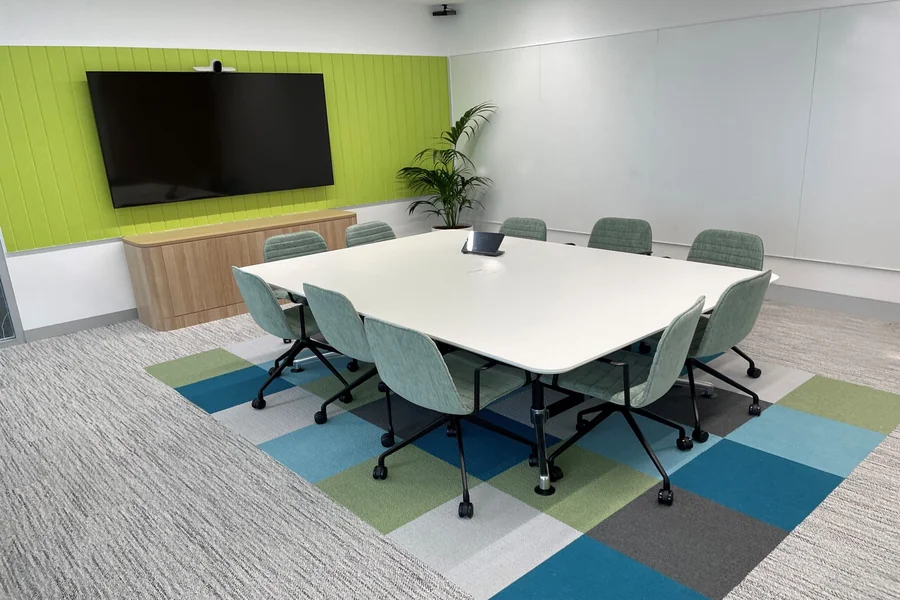
Australia’s education sector is evolving rapidly. As schools, universities, and training institutes adopt new pedagogical models and technology-driven approaches, the physical learning environment must keep pace. The layout, usability, and adaptability of education facilities furniture—especially core components like whiteboards and student lockers—are now recognised as critical elements that shape student success and wellbeing.
This article explores how the right furniture supports modern education, drawing on case studies, research insights, and practical guidance for procurement officers and school facility managers across Australia.
The Learning Environment: More Than Just Four Walls
While pedagogy and curriculum often take centre stage in academic conversations, the physical setting in which learning occurs plays a pivotal role in shaping outcomes. According to a 2023 report by the Australian Council for Educational Research, learning environments with improved ergonomics, accessible storage, and versatile teaching tools saw a 14% rise in student engagement and a 12% reduction in behavioural disruptions.
In many Australian schools, outdated furniture impedes mobility, fails to support diverse learning styles, and struggles to meet modern tech requirements. As a result, upgrading key infrastructure—such as storage units and collaborative tools—is no longer a luxury; it’s an operational necessity.
Why Whiteboards Are Still Essential in Modern Classrooms
Despite the digital wave sweeping through education, whiteboards remain the backbone of visual communication in classrooms. Their versatility, immediacy, and accessibility make them ideal for spontaneous instruction, group brainstorming, and interactive problem-solving.
In 2024, a study by the University of Melbourne found that classrooms equipped with high-quality whiteboards demonstrated improved lesson retention by 11%, especially among visual learners. Teachers reported being able to adapt faster to student feedback, leading to more engaging and responsive instruction.
Whiteboards also provide universal usability. Unlike tablets or projectors, they require no electricity, software updates, or internet access—making them ideal for all school settings, including remote or budget-constrained campuses.
🔗 Enhance your classrooms with our premium whiteboard solutions designed for Australian schools, TAFEs, and universities.
Storage and Security: The Role of Lockers in Educational Settings
Student lockers might seem mundane, but they serve a crucial function—ensuring personal storage, safeguarding belongings, and promoting organisational habits. In Australia, where students often commute long distances and carry heavy tech devices, lockers play a safety and wellness role as well.
A 2023 NSW Department of Education audit found that schools with modern locker facilities experienced 30% fewer incidents of lost or damaged student property. More importantly, students with designated storage spaces displayed better punctuality and more structured behaviour throughout the day.
Modern lockers for education are no longer drab metal boxes. Today’s designs cater to style, durability, and space optimisation. For instance, ventilated lockers support hygiene in sports facilities, while digital locking mechanisms improve security and user control.
🔗 Explore customisable student and school lockers suited for Australian primary schools, high schools, and tertiary campuses.
Adaptive Design for Changing Curriculums
One of the core challenges in Australian education is the evolving nature of curriculums. With a shift towards collaborative learning, STEM-based instruction, and project-based assessments, furniture needs to facilitate movement, modularity, and interaction.
Whiteboards that double as mobile partitions, or lockers that double as bench seating in open-plan areas, are just some examples of multifunctional design supporting contemporary needs.
Schools in Victoria, for example, have started integrating mobile whiteboards in open learning spaces, enabling breakout sessions and student-led discussions. In Queensland, large lockers are being used in flexible learning hubs where students don’t have fixed classrooms but instead move through multidisciplinary spaces throughout the day.
Cultural and Practical Considerations in Australia
Unlike many other regions, Australian schools operate within unique geographic and climatic constraints. From the tropical humidity of the Top End to the dry heat of Western Australia and the cooler climates of Tasmania, furniture must withstand varied conditions while remaining cost-effective and durable.
Additionally, the multicultural nature of classrooms calls for inclusive designs—whiteboards positioned at accessible heights, lockers that are easy to use for students with special needs, and layouts that respect social distancing and cultural dynamics.
Moreover, procurement officers are increasingly looking for furniture that meets both education standards and environmental guidelines. Products manufactured with low-VOC materials, responsibly sourced wood, and recyclable steel are gaining traction as institutions prioritise sustainability alongside utility.
Conclusion: Furniture as a Driver of Educational Equity and Excellence
The conversation around education facilities furniture is about more than just aesthetics or convenience. It’s about investing in student wellbeing, enabling modern pedagogy, and ensuring Australia’s learners are equipped for success.
Whether through the clarity of a well-placed whiteboard or the personal responsibility instilled by a secure locker, small changes in infrastructure can deliver big results.
As your institution plans its next upgrade, think beyond the classroom. Prioritise flexible, functional, and future-ready furniture that meets the needs of students today—and tomorrow.