
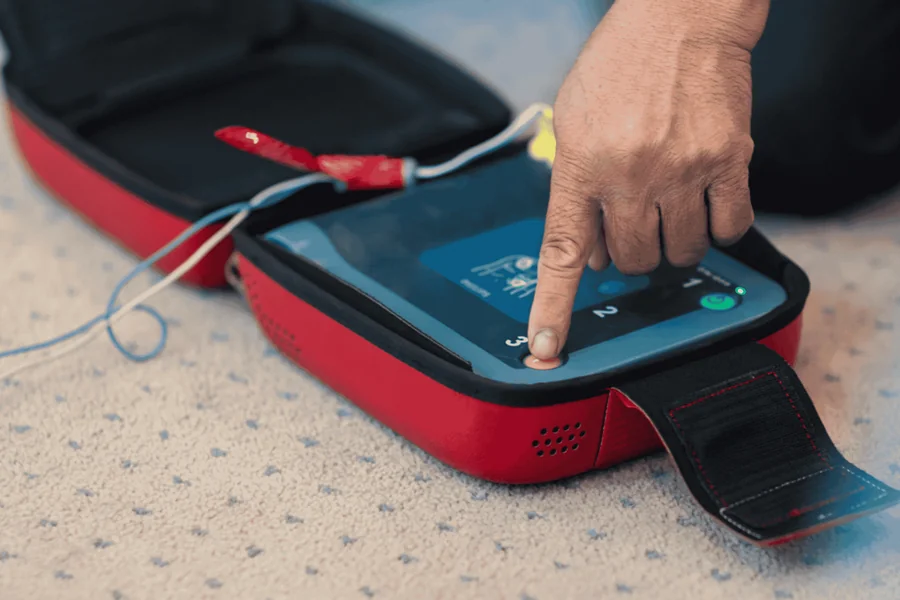
Sudden cardiac arrest is one of the leading causes of death worldwide. Unlike a heart attack, which involves a blockage in blood flow, sudden cardiac arrest is an electrical malfunction that causes the heart to stop beating effectively. When this happens, survival depends on immediate action—specifically cardiopulmonary resuscitation (CPR) and defibrillation. The critical tool in these emergencies is the Automated External Defibrillator, more commonly known as an AED. Unfortunately, many people are still unaware of the importance of AEDs or how accessible they should be in public spaces.
The Role of an AED in Cardiac Arrest
When cardiac arrest occurs, every minute without treatment reduces survival chances by about 10 percent. CPR helps maintain blood flow, but it cannot restore a normal heart rhythm on its own. An AED delivers an electric shock that resets the heart’s rhythm, giving the victim the best chance of recovery. The device is designed to be simple enough for bystanders to use, with clear voice prompts that guide the rescuer step by step.
Why Accessibility Matters
Despite their importance, AEDs are still not as widely available as they should be. In many communities, they are limited to hospitals, airports, or sports arenas. Yet cardiac arrests can happen anywhere—at home, in schools, shopping centers, or even parks. Increasing accessibility means placing AEDs in everyday locations so that bystanders can act quickly. A well-placed AED can turn an ordinary citizen into a lifesaver.
Common Myths About AED Use
One reason AEDs are underutilized is the presence of myths and misconceptions. Some people fear they could harm the victim by using the device incorrectly. In reality, AEDs are built with safety features that analyze the heart’s rhythm and only deliver a shock if necessary. Others believe AEDs are too complicated, but the truth is they are designed for ease of use, with straightforward instructions. Removing these misconceptions is a key part of raising awareness.
Building Community Confidence
Accessibility alone is not enough—people need the confidence to use AEDs without hesitation. This confidence comes from education and training. Community workshops, school programs, and workplace safety sessions can introduce people to AEDs, allowing them to practice with training units. Familiarity reduces fear, ensuring that in a real emergency, bystanders will take action instead of waiting for professionals to arrive. Programs such as Nepean first aid integrate AED instruction into their courses, giving participants both hands-on experience and the reassurance that they know what to do.
AEDs in Schools and Workplaces
Schools and workplaces are two of the most important places to have AEDs. Children, staff, and employees spend a significant portion of their day in these environments, and cardiac arrests can strike without warning. Studies show that survival rates are much higher when AEDs are available on-site and used within minutes. Employers who provide AEDs and training also demonstrate a commitment to safety, protecting both their teams and the public.
The Cost of Inaction
The cost of purchasing and maintaining AEDs is minimal compared to the potential loss of life. For every cardiac arrest where an AED is unavailable, the chances of survival drop sharply. Beyond the human cost, there are also emotional and financial impacts on families and communities. By contrast, communities that invest in AED programs not only save lives but also foster a culture of preparedness and care.
Success Stories That Inspire
There are countless stories of lives saved by AEDs in public spaces. From airline passengers revived mid-flight to students surviving collapses on school fields, these success stories highlight the device’s importance. Each time an AED is used successfully, it reinforces the message that accessibility matters. Communities that celebrate and share these stories encourage more people to take interest in AED awareness and training.
Expanding Public Access Programs
Many cities are now working to expand AED placement through public access programs. These initiatives aim to place AEDs in high-traffic areas, register their locations, and train community members in their use. Some regions even integrate AED maps into smartphone apps, allowing bystanders to locate the nearest device instantly during an emergency. This level of coordination can drastically improve survival rates.
Preventing Bystander Hesitation
Even with AEDs present, hesitation remains a challenge. People may feel unsure about their ability or worry about legal repercussions. Public education campaigns must address these fears by emphasizing Good Samaritan laws, which protect bystanders who provide reasonable assistance. Knowing they are legally safe encourages more people to step forward and act.
Looking Ahead: A Culture of Preparedness
The future of AED awareness depends on embedding it into everyday life. Just as fire extinguishers and smoke alarms are standard safety measures, AEDs should become just as common. Communities that prioritize placement, training, and awareness will not only improve survival rates but also build a stronger culture of care. The more people who understand their role in responding to cardiac emergencies, the safer society becomes as a whole.
Conclusion
AEDs are not luxury devices; they are essential life-saving tools that every community should have readily available. When combined with CPR, they significantly increase the chances of survival in cardiac emergencies. Accessibility, education, and awareness are the keys to ensuring that no life is lost simply because the right equipment was out of reach.