
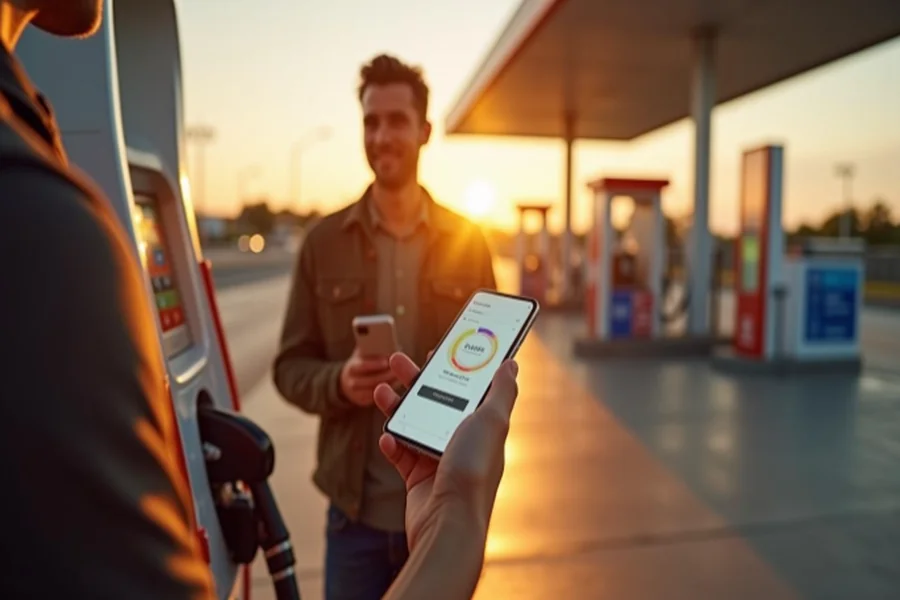
If you want to maximize savings and rewards on fuel and purchases, start by understanding gas cards. From cashback percentages to loyalty programs and Exxon rewards and gas cards, these payment tools offer multiple ways to reduce expenses at the pump and inside convenience stores.
What is a Gas Card?
A fuel card is a payment method designed specifically for purchasing gasoline, diesel, and related products at service stations. Unlike general credit cards that work everywhere, branded station cards typically limit usage to specific networks like Shell, Chevron, or Exxon. These specialized cards combine payment functionality with rewards programs, offering points, discounts, or cashback on fuel purchases and convenience store items.
Three main categories exist: branded credit cards issued by oil companies, general rewards credit cards with fuel bonuses, and prepaid or gift card options. Each type integrates differently with mobile apps, loyalty systems, and expense tracking tools, making the choice dependent on individual usage patterns and business needs.
Key Benefits of Gas Cards
Fuel Savings and Cashback
Most fuel-focused payment cards offer between 2% and 5% cashback on gasoline purchases, with some providing up to 10 cents off per gallon at participating stations. These savings apply automatically at checkout, reducing the per-gallon price or crediting your account statement. Premium tier programs may offer higher percentages based on monthly spending or loyalty status.
Rewards, Points, and Loyalty Programs
Beyond direct discounts, many issuers provide points systems that accumulate with each transaction. These points convert to free fuel, snacks, car washes, or merchandise. Apps like Shell Fuel Rewards and Circle K Easy Pay layer additional benefits through digital coupons, personalized offers, and bonus point promotions during specific periods.
Expense Tracking and Payment Convenience
Digital statements categorize fuel expenses separately from other purchases, simplifying budget management and tax preparation. Business versions include detailed reporting features showing driver names, locations, gallons purchased, and odometer readings. Contactless payment options speed up transactions at the pump while maintaining security.
Special Offers, Discounts, and Promotions
Cardholders receive exclusive deals unavailable to cash customers. These include double point days, partner merchant discounts, and seasonal promotions. Some programs link with grocery stores like Walmart or Kroger, allowing fuel savings based on grocery purchases.
Main Types of Gas Cards
Branded Gas Station Credit Cards vs. General Reward Credit Cards
Branded station cards work primarily within one network (BP, Marathon, Sinclair), offering maximum benefits at those locations. General rewards credit cards provide fuel bonuses alongside broader merchant acceptance, though typically with lower percentages at the pump. The choice depends on whether you prioritize maximum fuel savings or payment flexibility.
Fleet, Business, and Prepaid Solutions
Fleet managers use specialized business cards to control employee spending, set purchase limits, and generate detailed expense reports. These tools integrate with accounting software and provide real-time transaction alerts. Prepaid options serve companies wanting to avoid credit checks or individuals managing fuel budgets without traditional credit accounts.
Gift Cards and Alternative Products
Fuel gift cards function as prepaid payment methods, popular for employee incentives or personal budgeting. Digital versions stored in mobile wallets eliminate physical card requirements. Some retailers offer hybrid products combining fuel credits with store merchandise benefits.
Comparing Leading Programs and Issuers
Exxon Mobil Rewards+
The Exxon Mobil program combines instant savings with points accumulation. Members save 3 cents per gallon initially, increasing to 6 cents after qualifying purchases. The mobile app enables pump activation, receipt storage, and exclusive member pricing on convenience items. Premium membership tiers unlock additional benefits including free car washes and doubled points on select categories.
Shell Fuel Rewards and Network Coverage
Shell’s program spans over 12,000 U.S. locations, offering 5 cents off per gallon for new members. Gold and Silver status levels provide automatic savings without code entry. The program links with dining and shopping partners, allowing fuel discounts through everyday purchases at participating merchants.
Circle K, Speedway, 7Rewards, and Others
Circle K Easy Pay guarantees 30 cents off per gallon for the first 100 gallons, then 10 cents ongoing. Speedway Speedy Rewards converts points to free items or fuel discounts. 7-Eleven’s program emphasizes convenience store purchases with fuel as one redemption option. Regional chains like Casey’s and Wawa offer localized benefits tailored to their coverage areas.
Fleet and Business Card Features
Commercial programs from WEX, Fuelman, and Comdata provide comprehensive expense management beyond simple payment processing. Features include driver ID requirements, maintenance tracking, route optimization, and integration with telematics systems. Acceptance networks vary, with some covering 95% of U.S. stations while others focus on specific brands.
How to Earn, Redeem, and Maximize Rewards
App Integration, Real-Time Tracking, and Multi-category Purchases
Mobile applications centralize reward management, displaying current balances, nearby participating locations, and personalized offers. Many apps allow pump activation from your phone, eliminating card swiping. Linking multiple purchase categories (fuel, convenience, car wash) within one app maximizes point accumulation through consolidated spending.
Reward Stacking: Tips and Examples
Combining multiple discount sources multiplies savings. For instance, using a cashback credit card to purchase discounted gift cards, then redeeming those during bonus point promotions. Some programs allow grocery fuel points to stack with branded station discounts, potentially saving 20-30 cents per gallon. Time purchases around promotional periods for maximum benefit.
Understanding Redemption (fuel, convenience, prepaid, merchandise)
Points typically offer varying redemption values depending on usage. Fuel redemptions often provide the best cent-per-point value, while merchandise may offer lower returns. Some programs require minimum point thresholds or expire rewards after specific periods. Understanding these details prevents lost benefits and optimizes redemption timing.
Fees, Limits, Acceptance, and Key Terms to Know
Fees (annual, transaction, late, inactivity)
Annual fees range from $0 to $95 depending on benefits included. Transaction fees apply primarily to prepaid versions, typically $1-2 per purchase. Late payment penalties on credit versions follow standard credit card rates. Some prepaid options charge monthly maintenance or inactivity fees after dormant periods.
Spending Limits, Network and Station Acceptance
Credit limits vary based on creditworthiness, from $500 starter limits to $10,000+ for established accounts. Prepaid cards cap spending at loaded amounts. Network acceptance depends on card type: branded cards work at specific chains, while Visa or Mastercard versions function anywhere accepting those networks. International acceptance varies significantly.
Prepaid vs. Credit vs. Debit: Pros and Cons
Credit versions offer fraud protection, reward accumulation, and payment flexibility but require credit approval and may encourage overspending. Prepaid options provide budget control and no credit requirements but lack purchase protection and may include more fees. Debit cards offer middle ground with direct account access but limited rewards.
Choosing the Right Gas Card
Checklist for Consumers (value, usage, station locations, reward structure)
Evaluate your monthly fuel spending, preferred station brands, and proximity to network locations. Calculate whether percentage-based or cents-per-gallon discounts provide better value for your usage level. Consider additional benefits like roadside assistance, rental car insurance, or purchase protection. Match card features to spending patterns for optimal returns.
Fleet/Business Considerations (expense management, reporting, network)
Businesses should prioritize reporting capabilities, spending controls, and network coverage matching route requirements. Integration with existing accounting systems reduces administrative burden. Consider whether universal acceptance or maximum discounts at specific chains better serves operational needs. Evaluate customer service quality and dispute resolution processes.
Integrating with Apps and Payment Systems
Modern fuel payment solutions connect with digital wallets, expense management platforms, and vehicle telematics. Apple Pay and Google Pay compatibility enables contactless transactions. API connections allow data flow between fuel purchases and business intelligence systems. Choose providers offering robust technical infrastructure and regular feature updates.
New Trends and Technologies in Gas Cards
Mobile Apps, Contactless, and Digital Wallets
Contactless payment adoption accelerated significantly, with most major chains now accepting tap-to-pay transactions. Mobile apps incorporate features like remote pump activation, eliminating physical card requirements entirely. Digital receipt storage and automated expense categorization streamline record keeping. Biometric authentication adds security layers while maintaining convenience.
EV Charging, Sustainability, and Future-Proofing
Traditional fuel companies expand into electric vehicle charging networks, with programs beginning to include EV charging benefits. Some issuers offer carbon offset programs or donate to environmental causes based on spending. Hybrid cards covering both traditional fuel and charging stations position users for transportation transitions. Sustainability-focused rewards appeal to environmentally conscious consumers.
AI, Telematics, and Real-time Analytics
Artificial intelligence predicts optimal refueling locations based on routes and prices. Telematics integration provides real-time vehicle diagnostics alongside fuel tracking. Predictive analytics identify potential fraud or unusual spending patterns instantly. Machine learning personalizes offers based on individual purchase history and preferences.
Frequently Asked Questions
Common queries include application requirements, credit score impacts, and reward expiration policies. Most branded cards require fair credit (640+), while secured or prepaid versions have no credit requirements. Hard credit inquiries temporarily affect scores by 5-10 points. Reward expiration varies: some programs maintain points indefinitely while others expire after 12-24 months of inactivity.
Business owners often ask about employee card management and spending controls. Most commercial programs allow individual limits per driver, restricted merchant categories, and time-of-day limitations. Real-time alerts notify managers of policy violations. Detailed reporting separates personal vehicle use from business expenses for tax purposes.
Rights, Protections, and Support
Customer Service, Dispute Handling, Privacy
Federal regulations provide dispute rights for unauthorized transactions, typically requiring notification within 60 days. Most issuers offer 24/7 customer support through phone, chat, or mobile apps. Privacy policies govern data collection and sharing, with opt-out provisions for marketing communications. California residents receive additional privacy rights under state law.
Issuer and Cardholder Responsibilities
Cardholders must report lost or stolen cards immediately to limit liability. Issuers must investigate disputes within specific timeframes and provide provisional credit during investigations. Terms of service outline usage restrictions, fee schedules, and modification procedures. Understanding these agreements prevents unexpected charges and ensures proper benefit utilization.
Selecting appropriate fuel payment methods requires balancing immediate savings against long-term value. Whether choosing branded station programs, general rewards options, or business solutions, matching features to actual usage patterns maximizes returns. As payment technology evolves and transportation options diversify, flexible programs accommodating multiple fuel types and payment methods provide the most sustainable choice for managing vehicle expenses.