
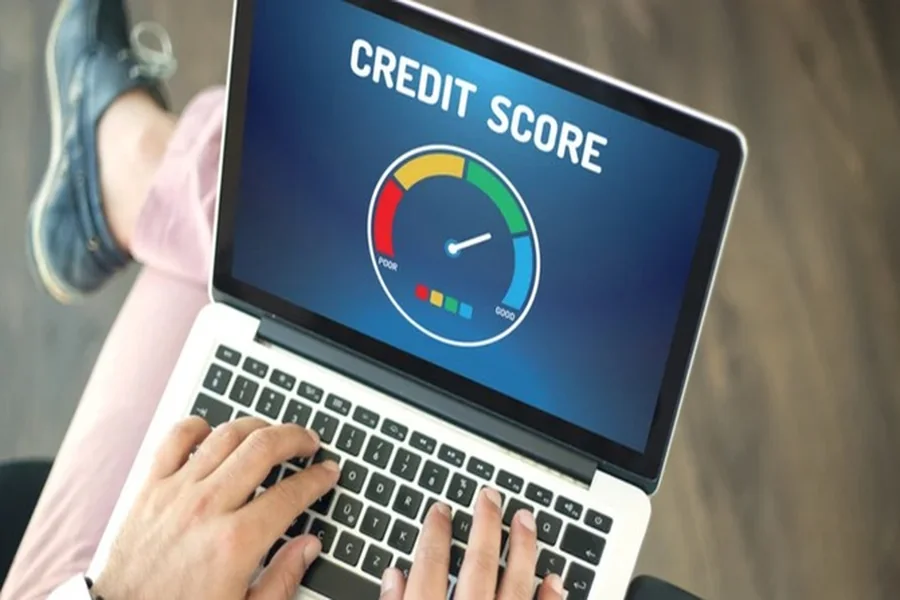
Your credit profile plays a crucial role when you apply for any form of borrowing, whether through a bank or a loan app. Lenders rely on your credit history to assess how responsibly you manage debt. A strong credit profile not only improves approval chances but can also help you secure better terms. Understanding how to improve your credit standing before submitting a loan application can make a significant difference to your financial outcomes.
With digital platforms making credit information more accessible, improving your score has become more manageable than ever.
1. Understand What Your Credit Score Reflects
Your credit score is a numerical representation of your credit behaviour. It is influenced by factors such as repayment history, outstanding balances, credit utilisation, and the number of credit enquiries made in your name. In India, this score is maintained by credit bureaus like CIBIL, and it acts as a key indicator of your financial discipline.
Before applying for a loan, reviewing your credit report helps you understand where you stand and what needs improvement.
2. Pay Your Dues on Time
Timely repayment is one of the most important contributors to a healthy credit profile. Missed or delayed payments can significantly lower your score and stay on your record for years.
To improve CIBIL score, ensure that all EMIs and credit card bills are paid before their due dates. Setting up reminders or automatic payments can help you stay consistent and avoid unintentional delays.
3. Keep Credit Utilisation in Check
Credit utilisation refers to the percentage of available credit that you are currently using. High utilisation suggests dependency on credit and may negatively impact your score.
Experts generally recommend keeping utilisation within a reasonable limit. Reducing outstanding balances and avoiding maxing out credit cards can steadily strengthen your credit score over time.
4. Avoid Multiple Loan Applications
Applying for several loans or credit cards within a short period can signal financial stress to lenders. Each application results in a credit enquiry, which may slightly reduce your score.
If your goal is to improve CIBIL score, avoid unnecessary applications and apply for credit only when genuinely needed. Planning your borrowing carefully helps protect your credit profile.
5. Review Your Credit Report for Errors
Mistakes in your credit report, such as incorrect personal details or wrongly reported late payments, can unfairly impact your score. Regularly reviewing your report allows you to identify and dispute such errors promptly.
Checking your CIBIL report before applying for a loan ensures that lenders see an accurate reflection of your credit behaviour.
6. Maintain a Healthy Credit Mix
A balanced mix of credit types, such as instalment loans and revolving credit, can positively influence your profile. It demonstrates your ability to manage different forms of credit responsibly.
However, this does not mean taking on unnecessary debt. Responsible management is far more important than the number of accounts you hold.
7. Build Credit with Consistency
Improving your credit standing is not an overnight process. Consistency in repayment behaviour, disciplined spending, and mindful borrowing gradually enhance your profile.
Even small improvements, when sustained over time, can lead to noticeable changes in your credit score.
8. Limit Closing Old Accounts
Older credit accounts contribute to the length of your credit history, which is another factor considered by lenders. Closing long-standing accounts may shorten your credit history and impact your score.
Unless there is a strong reason, keeping older accounts active can help maintain stability in your CIBIL profile.
9. Use Digital Tools for Credit Awareness
Today, digital platforms make it easier to track credit health. Many tools offer quick access to credit scores, detailed reports, and insights on how to improve them.
These tools empower users to monitor progress, identify weak areas, and take timely action to strengthen their financial standing before applying for a loan.
10. Prepare Before You Apply
Improving your credit profile before applying for a loan increases confidence and reduces the risk of rejection. A strong score reflects reliability and financial discipline, making lenders more comfortable approving applications.
Taking proactive steps early helps ensure a smoother borrowing experience when the need arises.
Conclusion
Improving your credit score before applying for a loan is a smart financial move that can open the door to better opportunities. From timely repayments to responsible credit usage, small habits play a big role in strengthening your profile. As digital finance evolves, a loan app can also help you stay informed about your credit health.
Platforms like Stashfin support this journey by offering a zero-hassle, fully digital experience with instant approval, fast disbursal, and no manual paperwork. With round-the-clock access to funds, an interest-free period of up to thirty days, the ability to know your credit score in ten seconds, and actionable credit report insights to boost loan eligibility, Stashfin helps borrowers move toward stronger and more confident financial decisions.