
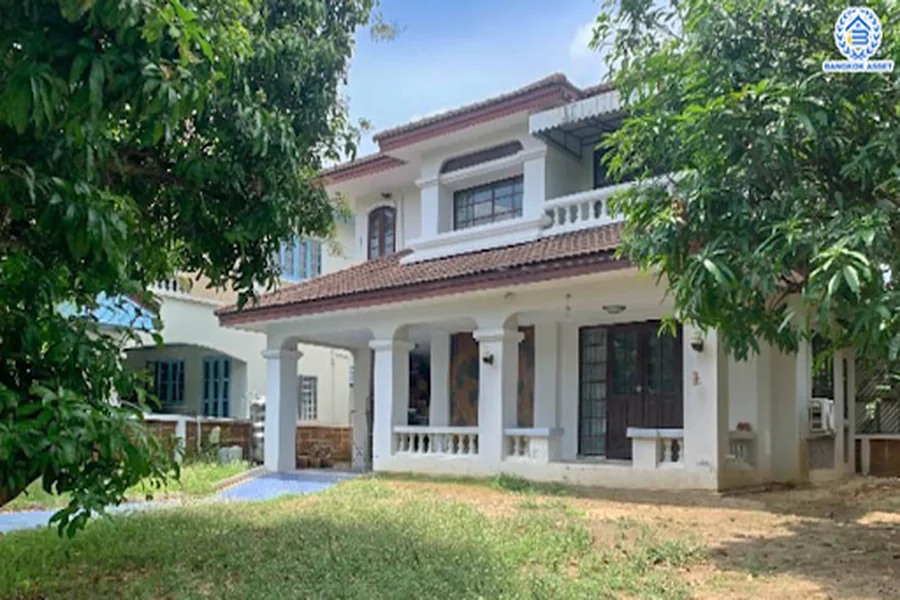
In recent years, Thailand has emerged as one of Southeast Asia’s most dynamic real estate markets. While new developments have long captured the spotlight, a noticeable shift is taking place in 2026—global attention is increasingly turning toward the country’s pre-owned property sector.
This shift is not merely a trend. It reflects deeper changes in how buyers evaluate value, risk, and long-term potential in an evolving property landscape.
A Market Transition Driven by Maturity
Thailand’s real estate market has matured significantly over the past decade. Urban expansion, infrastructure development, and increased foreign interest have contributed to a more complex and competitive environment.
As markets mature, buyer behavior tends to evolve. Instead of focusing solely on new projects, buyers begin to consider existing properties that offer proven value. Pre-owned homes, with their established locations and real-world performance, are becoming a central part of this transition.
This shift indicates a move away from speculative purchasing toward more informed and deliberate decision-making.
Established Locations Offer Immediate Advantages
One of the most compelling reasons for the growing interest in pre-owned properties is location. Many of these homes are situated in well-developed neighborhoods where infrastructure, amenities, and transportation networks are already in place.
Unlike new developments that may take years to reach their full potential, pre-owned homes allow buyers to assess actual living conditions. They can observe traffic patterns, explore nearby services, and understand the community environment firsthand.
This level of certainty reduces risk and enhances confidence—two factors that are increasingly important for both local and international buyers.
Pricing Transparency and Market Reality
Another key factor driving attention toward pre-owned homes is pricing transparency. In contrast to newly launched projects, where prices may be influenced by marketing strategies or future projections, pre-owned properties reflect real market conditions.
Buyers can compare similar homes within the same area, analyze historical price trends, and evaluate whether a property is priced appropriately. This transparency supports more accurate decision-making and reduces the likelihood of overpaying.
For investors, this means better alignment between expectations and actual returns.
The Role of Digital Transformation
Digital platforms have played a significant role in making pre-owned properties more accessible. Today’s buyers can explore listings, compare options, and gather information without relying solely on traditional channels.
However, increased accessibility has also introduced new challenges. The abundance of listings can lead to information overload, and not all data is presented consistently.
This is where the importance of structured and reliable platforms becomes evident. Buyers are no longer looking for more listings—they are looking for better information.
Platforms that emphasize clarity, consistency, and transparency are gaining recognition as essential tools in the modern property search process.
Within Thailand’s evolving digital ecosystem, platforms such as Bangkok Assets illustrate how structured property information can support more informed decisions. By focusing on data clarity and user experience, they reflect the growing demand for reliability in an increasingly crowded market.
Changing Buyer Priorities
Today’s property buyers are more informed and selective than ever before. They conduct research, compare multiple options, and evaluate long-term implications before making decisions.
This shift in behavior is influencing the types of properties that attract attention. Buyers are prioritizing practicality over novelty, and value over appearance.
Pre-owned homes align well with these priorities. They offer tangible benefits—established locations, realistic pricing, and immediate usability—that resonate with modern expectations.
Investment Potential in a Stable Segment
From an investment perspective, pre-owned properties are gaining recognition for their stability. While new developments may carry higher uncertainty, existing homes provide clearer insights into rental demand, maintenance costs, and resale potential.
This makes them particularly appealing to investors seeking predictable returns.
In addition, the ability to renovate or reposition a pre-owned property adds another layer of opportunity. Investors can enhance value through strategic improvements, creating potential for both short-term gains and long-term appreciation.
A More Sustainable Approach to Property Buying
The growing interest in pre-owned homes also reflects a broader shift toward sustainability. Reusing existing structures reduces the environmental impact associated with new construction and supports more efficient use of resources.
As sustainability becomes an increasingly important consideration, pre-owned properties offer a practical alternative that aligns with these values.
Looking Ahead
The rise of Thailand’s pre-owned property market is not a temporary phenomenon. It represents a structural change in how buyers approach real estate.
As information becomes more accessible and buyer expectations continue to evolve, the demand for clarity, transparency, and proven value will only increase.
Pre-owned homes, with their established characteristics and measurable performance, are well positioned to meet these demands.
Final Thoughts
Thailand’s real estate market is entering a new phase—one defined not by rapid expansion alone, but by thoughtful evaluation and informed decision-making.
The growing global attention toward pre-owned properties highlights this shift. Buyers are no longer driven solely by what is new; they are driven by what is reliable, practical, and aligned with their long-term goals.
In this evolving landscape, the ability to understand and evaluate real value will determine success. And for many buyers in 2026, that value is increasingly found in the pre-owned property market. For additional insights and informative content, visit stayinthewoods.com.