
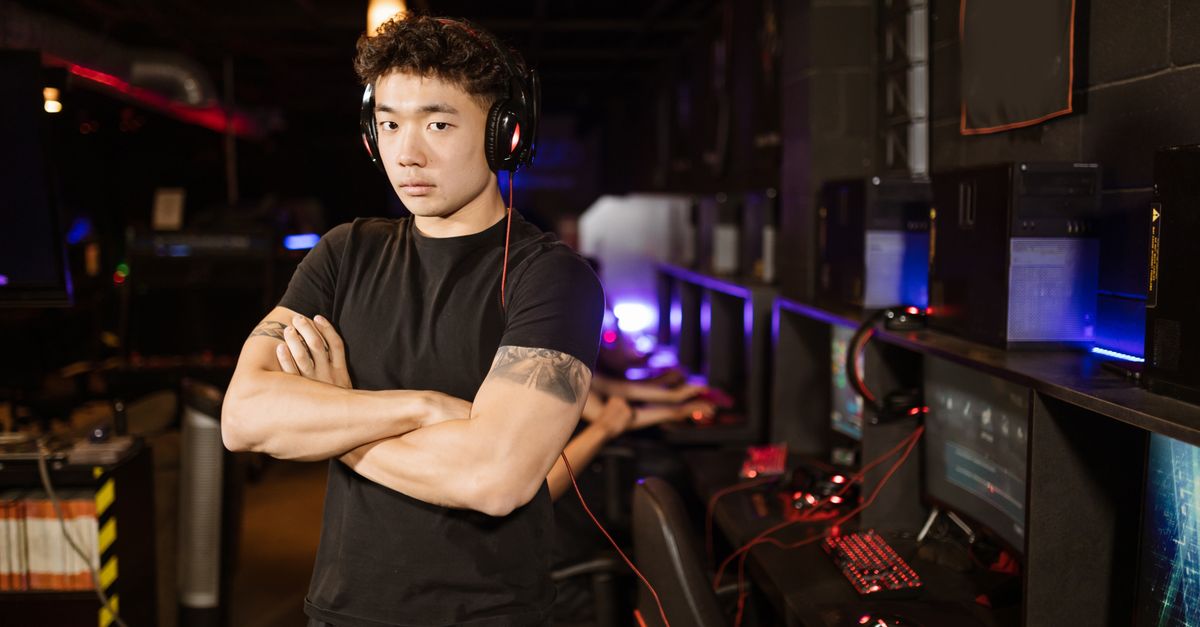
Have you ever noticed how online gaming can feel a lot like joining a live cultural event? The action is happening in real time, but so is the conversation, the humor, the etiquette, and the shared sense of being part of something bigger than yourself.
That feeling comes from more than fast graphics or competitive play. Online gaming mixes communication, identity, timing, and community in a way that mirrors how people interact in real life. Players from different places meet in one space, react to the same moments, and create social patterns as they go.
That is why a match, raid, or team session can feel less like a simple activity and more like a living social scene. The culture forms while people play, and everyone helps shape it in real time.
Shared Moments Create Live Culture
Online gaming feels cultural because people are reacting together, right now, to the same event.
Real-Time Reactions Shape The Experience
In a live match, players do not just perform actions. They react to surprises, adapt to shifts, and respond to each other within seconds. That constant back-and-forth creates a kind of social rhythm. A risky move, a sudden comeback, or a funny mistake can change the mood of the whole session. Those reactions are part of the experience, not just background noise.
Unlike solo entertainment, online play is built around shared timing. When one player makes a bold decision, others may celebrate, criticize, or copy it. That instant feedback gives the session a live feeling that is closer to a concert crowd or a sports audience than to private screen time.
Shared Language Builds Group Identity
Every online game develops its own slang, jokes, and habits. Players shorten phrases, repeat catchwords, and use shorthand that only makes sense inside that space. Over time, that language becomes a marker of belonging. If you know the terms, you feel part of the group. If you do not, you learn fast by listening and watching.
This is one reason people often feel a strong connection to the communities around them. The language is not just functional. It carries attitude, humor, and memory. A small phrase can remind players of a famous moment, a common mistake, or a shared win. That kind of coded communication is a clear sign of culture in motion.
Players Bring Their Own Backgrounds
Online gaming feels cultural because people do not leave their identities at the login screen.
Different Places Meet In One Space
Players often come from different countries, ages, and social settings, yet they share the same match or chat room. That mix makes online gaming feel like a meeting point for many cultures at once. You may hear different accents, different styles of humor, and different ways of handling teamwork or competition.
Because the space is shared, people also learn from each other quickly. One group may be direct and fast-moving, while another may be more patient and tactical. Some players focus on efficiency, while others care more about style and expression. These differences show up naturally, and that is part of what makes online gaming feel alive and human.
Identity Shows Up Through Play
People express themselves through the characters they choose, the roles they take, and the way they move through a match. Some players like to lead. Others like to support. Some prefer flashy actions, while others value calm control. These choices are not random. They reflect personality, mood, and taste.
Even outside the match, identity shows up in profile names, avatars, and custom styles. Players often treat these details as a form of self-presentation, much like clothing or music taste in everyday life. That is why online gaming can feel personal and social at the same time. It gives people room to perform who they are, or who they want to be, in front of others.
In some communities, players even build long-term reputations around their style and behavior. A calm teammate, a clever strategist, or a funny chat presence can become known in ways that feel very similar to local social circles. For that reason, a platform like KEY4D can be part of a larger conversation about how people connect through shared digital spaces.
Rules And Rituals Give It Structure
Online gaming feels cultural because players follow patterns that act like social rituals.
Unwritten Rules Matter As Much As Formal Ones
Every online space has official rules, but it also has unwritten ones. Players learn when to speak, when to stay quiet, when to take charge, and when to back off. They learn how much joking is acceptable, how to react to mistakes, and how to show respect after a close match. These habits are not printed in a manual, but they shape the entire atmosphere.
That is a lot like everyday social life. People do not only follow posted rules. They also read the room, watch for signals, and adjust their behavior based on the group. Online gaming compresses that process into a fast-moving setting, so the social side becomes very visible.
Routines Make The Space Feel Familiar
Many players return to the same modes, maps, or group activities again and again. Repetition creates familiarity, and familiarity creates culture. People start to know what usually happens, who usually leads, and how the group tends to respond under pressure. That shared memory gives the space a stable feel, even when the action changes.
Rituals also appear in smaller moments. A pre-match joke, a victory message, or a post-match chat can become part of the group’s rhythm. These repeated actions help people feel connected. They also make the experience feel less random and more like a social event with its own customs.
Live Communication Makes It Feel Social
Online gaming feels cultural because communication happens while the action is still unfolding.
Chat And Voice Turn Play Into Conversation
When players talk during a match, the experience becomes more than input and output. It becomes conversation under pressure. People give advice, react to mistakes, celebrate wins, and joke around while still trying to perform well. That overlap of focus and social contact is a big part of the appeal.
Because the conversation is live, tone matters a lot. A short message can sound helpful, impatient, funny, or rude depending on timing and context. Players quickly learn how to read tone and respond in kind. That makes online gaming feel emotionally immediate, like being in a room where everyone is reacting at once.
Shared Memory Keeps The Culture Going
Online gaming communities often talk about past matches, famous plays, and common mishaps. Those stories become part of the group’s memory. People repeat them, joke about them, and use them to explain current behavior. In that way, the culture keeps building on itself.
Shared memory also gives players a sense of continuity. Even if a session lasts only a short time, the stories around it can last much longer. That is one reason online gaming feels larger than the match itself. It connects the present moment to a wider social history that players help create together.
For players who want a simple entry point into that kind of shared activity, something like KEY4D DAFTAR may be part of the surrounding conversation about joining and taking part in online spaces.
Why The Feeling Sticks With People
Online gaming leaves a strong impression because it mixes emotion, timing, and human contact so tightly.
Competition Feels Personal And Public
When people compete online, they are not only trying to win. They are also performing in front of others. That public element makes each move feel more meaningful. A good play can earn praise, a bad call can bring criticism, and a clever comeback can change how others see you. The social stakes make the moment feel vivid.
At the same time, the emotional range is wide. Players can feel tension, relief, pride, frustration, and laughter all in one session. That mix is part of why the experience stays in memory. It feels active, social, and emotionally real, even though it happens through a screen.
Culture Forms While People Are Still Playing
The strongest reason online gaming feels like a real-time cultural experience is that the culture is not separate from the activity. It forms during the activity. The jokes, customs, group habits, and social signals are built by the people taking part right now. There is no waiting period. The culture appears as players interact.
That makes online gaming different from media that people only watch or consume. Here, the audience also helps shape the event. Players are not just observing a culture. They are helping create it with every message, move, and reaction. That is what gives online gaming its distinct social energy and its lasting appeal.