
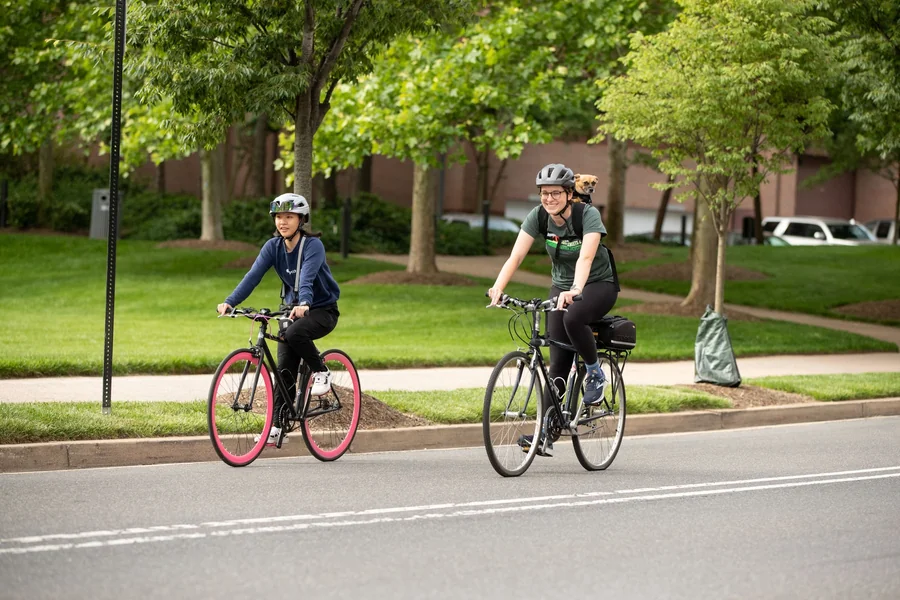
As cycling becomes an increasingly popular mode of transportation and a strategic element in corporate wellness and sustainability programs, understanding the responsibilities and precautions associated with road cycling is essential. Whether organizations are encouraging commuting by bike, managing fleet operations, or offering employee incentives to cycle, proper preparation is critical to ensure safety, compliance, and efficiency. Taking a bike out onto public roads introduces unique risks and legal considerations, many of which can be mitigated through education and proactive planning. Before any employee, courier, or recreational rider starts pedaling, certain fundamentals must be in place to support a safe and successful experience.
Inspect Equipment for Safety and Performance
Before a bike ever touches the pavement, a thorough inspection should be conducted to confirm it is road-ready. This is particularly important when bicycles are shared or part of a larger fleet, where usage and wear may vary day-to-day. At minimum, riders should check tire pressure, brake responsiveness, chain lubrication, and the alignment of the handlebars and saddle. Tires should be free of punctures or excessive wear, and both front and rear brakes must function reliably in dry and wet conditions.
Lights and reflectors are essential components for visibility, especially in low-light or high-traffic environments. A white front light and red rear light are legally required in many jurisdictions for nighttime riding, while reflective gear and bike-mounted reflectors further enhance visibility. Helmets, while not universally mandated, should be required by organizational policy for every rider. Opting for helmets with advanced safety features, such as MIPS (Multi-directional Impact Protection System), adds another layer of protection in the event of a crash.
Organizations supporting bike use should consider establishing pre-ride checklists, training sessions, and maintenance partnerships with local bike shops to ensure that every rider begins their journey on safe, well-maintained equipment.
Know the Rules of the Road
Cyclists must adhere to many of the same rules that apply to motor vehicles, yet awareness of these responsibilities is often lacking, particularly among new or casual riders. Riders should always travel in the same direction as traffic, obey all traffic signals, use hand signals to indicate turns or stops, and yield when appropriate. Riding predictably and avoiding sudden lane changes significantly reduces the risk of collisions.
Some roads may prohibit bicycles altogether, while others offer dedicated bike lanes or shared-use paths. Understanding which types of infrastructure are legally and safely accessible to cyclists is vital, especially for delivery personnel or commuters who travel frequently across varied terrain. Organizations should supply maps of approved routes and invest in technology—such as apps or onboard navigation—that guides riders along bike-friendly paths and away from high-risk intersections.
Training in local and regional road regulations not only protects the rider but also limits the employer’s exposure to liability in case of a traffic violation or incident.
Prepare for the Unexpected
Even with proper planning and vigilance, road cycling carries inherent risks. Weather conditions can change rapidly, especially in coastal or subtropical regions. Riders should be equipped with rain gear, and bikes should be fitted with tires suitable for a variety of surfaces and weather scenarios. Carrying a basic repair kit—including spare tubes, a multi-tool, and a mini pump—can prevent minor issues from becoming major disruptions.
Emergency preparedness also involves understanding what to do in the event of an accident. Cyclists should carry identification, emergency contact information, and, when applicable, insurance details. Documenting the scene of an incident thoroughly and reporting it promptly protects both the rider and the organization.
When serious accidents occur, legal consultation may be necessary, particularly in areas with high cycling activity such as Florida. In such cases, engaging a Florida bike accident attorney ensures that the rights of the rider and the organization are safeguarded, and that appropriate steps are taken regarding liability and compensation. Although the goal is to prevent accidents entirely, readiness for worst-case scenarios is a responsible component of any road cycling initiative.
Conclusion
Taking a bicycle onto the road involves more than just physical readiness—it requires technical checks, legal knowledge, and risk management. By ensuring equipment is roadworthy, educating riders on traffic regulations, and preparing for unforeseen events, organizations can promote safe, efficient cycling practices that benefit both individuals and the enterprise. Thoughtful preparation builds a cycling culture rooted in responsibility and long-term success.