
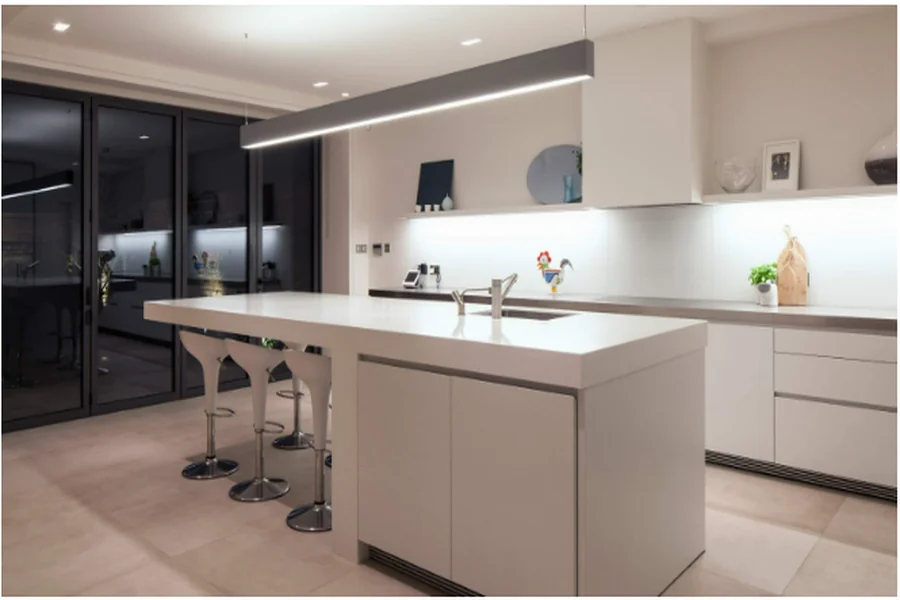
Lighting is one of the most essential elements of home design yet often overlooked. It doesn’t just illuminate a space; it sets the mood, enhances the aesthetic, and impacts functionality. Whether you’re revamping one room or designing a new home from scratch, a thoughtful residential lighting design can elevate your space like nothing else.
This guide will walk you through the types of lighting, provide actionable tips for each room in your home, and explore energy-efficient options to help you create a design that’s both stylish and practical.
Understanding Different Types of Lighting
Before you start picking out fixtures, it’s important to understand the three main types of lighting. Each serves a unique purpose and works together to create a layered and functional lighting design.
Ambient Lighting
Ambient lighting is the foundation of any room’s design. Often referred to as general lighting, it provides an overall glow, ensuring the space is evenly illuminated. Ceiling-mounted fixtures, recessed lighting, and large pendant lights are popular options for achieving effective ambient lighting. Think of it as the backdrop of your room’s lighting scheme.
Task Lighting
Task lighting focuses on functionality, providing targeted light to areas where specific tasks are performed, such as reading, cooking, or applying makeup. Desk lamps, under-cabinet kitchen lights, and bathroom vanity lights are excellent examples of task lighting. This type of lighting is crucial for reducing eye strain and creating spaces tailored to your daily activities.
Accent Lighting
Accent lighting serves an aesthetic purpose. It highlights architectural features, artwork, or other focal points, adding depth and drama to any room. Track lighting, wall sconces, and small spotlights are commonly used to emphasize specific areas, drawing attention to what you want to showcase.
By blending these three types of lighting, you can create a harmonious and functional design tailored to your aesthetic and practical needs.
Room-by-Room Guide to Lighting Design
Each room in your home has different lighting requirements. Here’s a breakdown to help you choose the perfect lighting for each space.
Living Room
The living room is a multifunctional space that demands flexibility in lighting. Start with a central fixture, like a chandelier or flush mount, for ambient lighting. Add floor or table lamps for task lighting near seating areas to make reading or working more comfortable. Finally, use accent lighting, such as wall sconces or LED strips, to emphasize artwork or highlight architectural details like built-in shelving.
Kitchen
Kitchens are all about functionality. Bright ambient lighting is essential, so recessed lights or bright ceiling fixtures work well here. For task lighting, install under-cabinet lights to illuminate countertops where you prepare meals. Pendant lights hung over an island or dining table not only provide practical light but also add a touch of elegance and style.
Bedroom
The bedroom should feel relaxing and cozy. Use warm ambient lighting from a central ceiling fixture or dimmable recessed lights. Place bedside table lamps or wall-mounted sconces for task lighting, ideal for reading or winding down at the end of the day. For added sophistication, consider accent lighting, such as LED strips along the headboard or within a wardrobe.
Bathroom
Bathrooms need balanced lighting, especially around the vanity area. Bright task lighting is a must for shaving, applying makeup, or other grooming routines. Vanity fixtures or side-mounted sconces work perfectly here to reduce shadows. For general ambient light, opt for ceiling fixtures or recessed lighting. If you want to elevate the space, consider installing subtle accent lighting in niches or under cabinetry.
Considering Energy Efficiency and Smart Lighting Options
Beyond aesthetics, investing in energy-efficient and smart lighting solutions can make a significant impact on your home.
Energy Efficiency
Energy-efficient lighting not only reduces your electricity bills but also helps lower your carbon footprint. LED lights are an excellent choice as they consume much less power than traditional bulbs and last significantly longer. Look for fixtures and bulbs labeled “Energy Star” for guaranteed efficiency and durability.
Smart Lighting
Smart lighting systems allow you to control your lights via smartphone apps, voice commands, or timers. These systems offer the convenience of dimming, scheduling, or changing the light color to suit your mood or activity. For instance, you can brighten your kitchen lighting while cooking and dim it when enjoying a romantic dinner. Smart lighting helps enhance comfort while making your home more adaptable to your lifestyle.
Crafting Your Perfect Lighting Design
Effective lighting design is about more than simply choosing the right fixtures. It’s about layering different types of lighting, tailoring light choices to each room’s function, and integrating efficient technology to create a home that’s functional, stylish, and sustainable.
Take the time to assess your needs, experiment with options, and don’t be afraid to get creative. Whether you’re accentuating a piece of art or simply brightening up a workspace, thoughtful lighting can completely transform your home.
Start planning today to create a lighting design that makes your home both beautiful and functional with blessingsglow!