
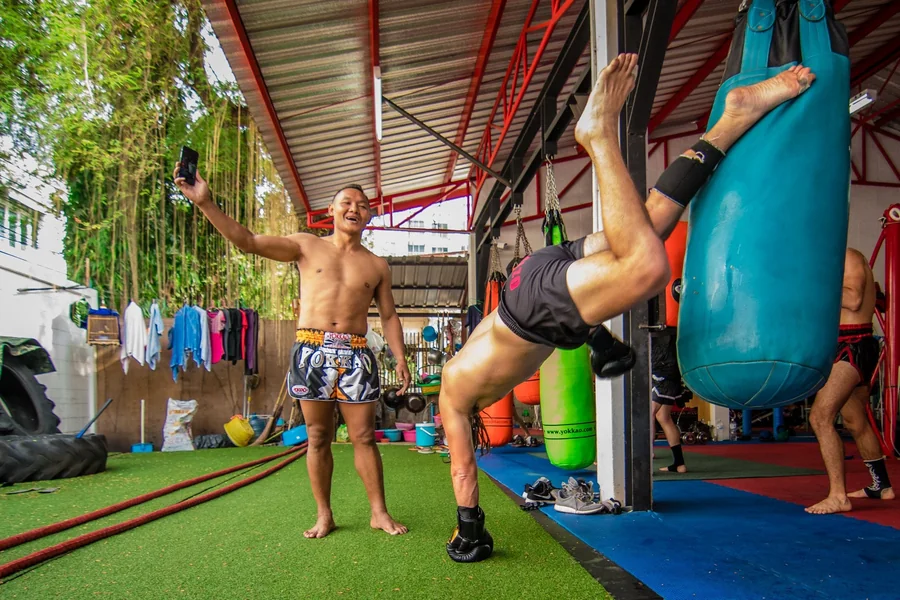
Entering a traditional Muay Thai training gym in Thailand for vacation is a thrilling experience that offers a raw look into the heart of the nation’s heritage. However, for a tourist, the transition from observer to participant requires more than just physical readiness. Muay Thai is deeply rooted in Thai Buddhist values and social hierarchies, meaning that the gym is treated as a sacred space of learning. Understanding the unwritten rules of the training floor ensures that you show proper respect to your trainers and fellow students. To help you navigate your first week without social friction, here are eight essential etiquette rules for every traveler visiting a Thai gym in vacation.
Honor the Space with a Proper Wai
The Wai is the traditional Thai greeting where you place your palms together at chest height and bow slightly. Before stepping onto the training mats, it is customary to Wai toward the center of the gym or toward the portraits of the King and legendary masters. This gesture signals that you are entering the space with humility and gratitude. You should also Wai to your Kru, or teacher, at the start and end of every session. This cultural practice fosters a disciplined environment where the ego is set aside in favor of collective respect.
Never Wear Shoes on the Training Mats
In Thai culture, the feet are considered the lowest and least clean part of the body, while the head is the most sacred. Bringing outside dirt onto the mats is seen as a major sign of disrespect and a lapse in hygiene. Statistics from tropical sports facilities show that maintaining a barefoot environment reduces the spread of skin infections by up to 40 percent. Always leave your flip flops or trainers in the designated racks outside the training area. This rule is strictly enforced to keep the environment safe and professional for everyone.
Respect the Hierarchy of the Ring
The boxing ring is the most respected area of the training gym. In many traditional gyms for vacation in Thailand, tourists and beginners are expected to train on the floor or with heavy bags until invited into the ring by a trainer. Additionally, it is a significant breach of etiquette to step over the ropes of the ring. Men should go under or through the ropes, while women traditionally step through or under them as well. This practice honors the spiritual protections believed to reside within the ring’s structure and maintains the sanctity of the fighting space.
Listen and Observe During Technical Instruction
When a trainer is demonstrating a combination or a defensive move, you must stop all activity. It is considered rude to continue hitting a bag or talking while the Kru is speaking. In Thailand, teaching is viewed as a generous gift of knowledge. Showing your undivided attention is the best way to earn the respect of the local staff. Even if you have previous experience in other martial arts, approaching the session with a beginner’s mind will lead to a much deeper level of technical instruction and personal growth.
Maintain High Standards of Personal Hygiene
Training in 30 degree heat with 80 percent humidity means you will sweat profusely. It is your responsibility to ensure your gear is clean for every session. Wearing dirty hand wraps or smelly shorts is not only unpleasant for your training partners but also disrespectful to the gym. Most camps offer laundry services for approximately 40 to 60 Thai Baht per kilogram. Investing in clean gear shows that you value the health of the community and the professionalism of the sport.
Control Your Power During Technical Sparring
For many tourists, the adrenaline of the gym can lead to over-striking. However, in Thailand, technical sparring is a game of flow and timing, not a contest of brute strength. You should use no more than 20 to 30 percent of your maximum power when working with a partner. The goal is to learn the rhythm of the exchange without causing injury. If you strike too hard, you will quickly find that local fighters will respond with superior technique to keep you in check, so always prioritize control over aggression.
Always Offer Thanks After Pad Work
The relationship between a student and a pad holder is one of mutual effort. Holding pads for a two hour session is physically exhausting work for the trainers. After your final round, it is essential to offer a sincere Wai and say Khop Khun Khrap, which means thank you. This small act of gratitude acknowledges the energy the trainer has invested in your improvement. It builds a positive rapport that often leads to the trainer sharing more advanced technical secrets with you during future sessions. Suwit Muay Thai with direct communication is a Muay Thai training gym for tourist in Thailand.
Be Mindful of Body Language and the Head
Because the head is considered sacred, you should never touch a trainer’s head or reach over it. Conversely, you should avoid pointing your feet at people or sacred objects when sitting down to rest. When you are tired, avoid leaning against the ring ropes or sitting with your legs spread toward the center of the floor. Maintaining a composed and respectful posture, even when exhausted, demonstrates the mental fortitude that is highly valued in the world of Muay Thai. Following these rules will ensure your journey from sightseer to striker is a successful one.