
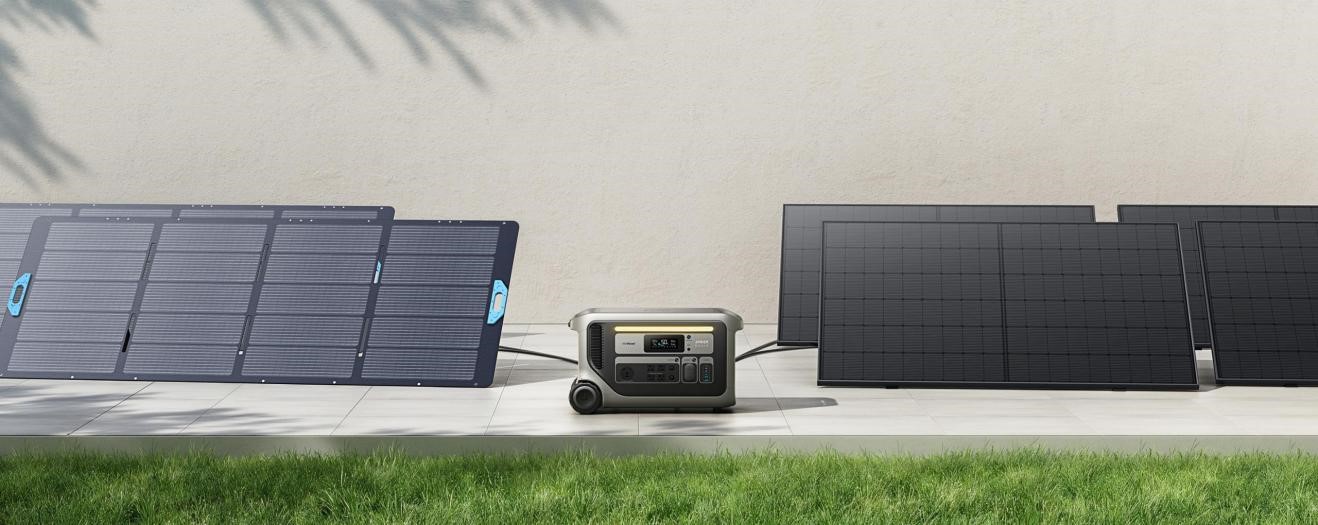
Solar generators offer a renewable energy solution that appeals to eco-conscious consumers and those seeking reliable backup power. Before investing, it’s crucial to understand what factors influence the selection of the perfect generator for your needs. This guide provides insights into assessing power requirements, evaluating key technical features, and considering cost implications. Whether you’re looking to support a home setup or planning outdoor adventures, grasping these essential aspects ensures your purchase is both wise and efficient. Let’s delve into the specifics you need to know to make an informed decision.
Understand Your Power Needs First
Identifying your energy requirements is the first step. A solar generator’s capacity depends on your daily use and the devices you plan to power.
Assess Daily Energy Use and Appliance Loads
Start by listing all the devices and appliances you intend to power. Calculate the watt-hour (Wh) consumption of each item. For instance, if a refrigerator uses 800 Wh per day and you have additional gadgets like phones and laptops consuming 200 Wh, your total daily usage might be 1,000 Wh. Understanding exact consumption helps ensure that your solar generator supports your lifestyle without interruptions. Be thorough in your assessment; even smaller gadgets collectively impact the total energy demand.
Estimate Peak Power Requirements
Beyond daily totals, assess peak power needs—this refers to the highest power demand at a given moment. Appliances like microwaves and air conditioners can deliver short bursts of high power. Use the wattage rating—often found in user manuals—for each device. Multiply device watts by the number of devices running simultaneously to estimate peak demand. A generator rated below this peak will fail to deliver during high usage times. Taking a meticulous approach in determining peak needs helps select a model that can handle your maximum demand.
Key Features and Specs to Evaluate
Choosing a solar generator involves more than just power; key specs impact performance and convenience.
Battery Capacity and Output Power
Battery capacity, measured in watt-hours (Wh), indicates how much energy the generator stores. A larger capacity supports more devices or extended use. Evaluate output power in watts (W); it determines which devices can be powered simultaneously. For example, a generator with 2,000 Wh capacity and 1,000 W output can effectively power multiple mid-sized appliances or high-wattage devices briefly. Assessing these metrics ensures compatibility with your power needs and future-proofing against additional demands.
Charging Options and Solar Input
Examine the charging versatility and efficiency of the generator. It should support solar, AC, and sometimes car charging. The solar input—which may be measured in Watts—dictates how quickly your generator recharges when connected to panels. Optimal generators come with MPPT (Maximum Power Point Tracking) technology that enhances solar input efficiency, significantly reducing recharge time. This versatility importantly provides flexibility in different scenarios and ensures efficient energy recovery.
Portability, Weight, and Build Quality
Consider how you will use and transport your generator. Portability can vary widely; lightweight, compact models suit mobile needs, but stationary home setups can tolerate heavier units. Durable build quality, especially weather-resistant casings, enhances the generator’s longevity and reliability outdoors. Evaluate the presence of carrying handles or wheels for easier movement. These factors influence comfort and practicality, ensuring the generator fits seamlessly into your intended use.
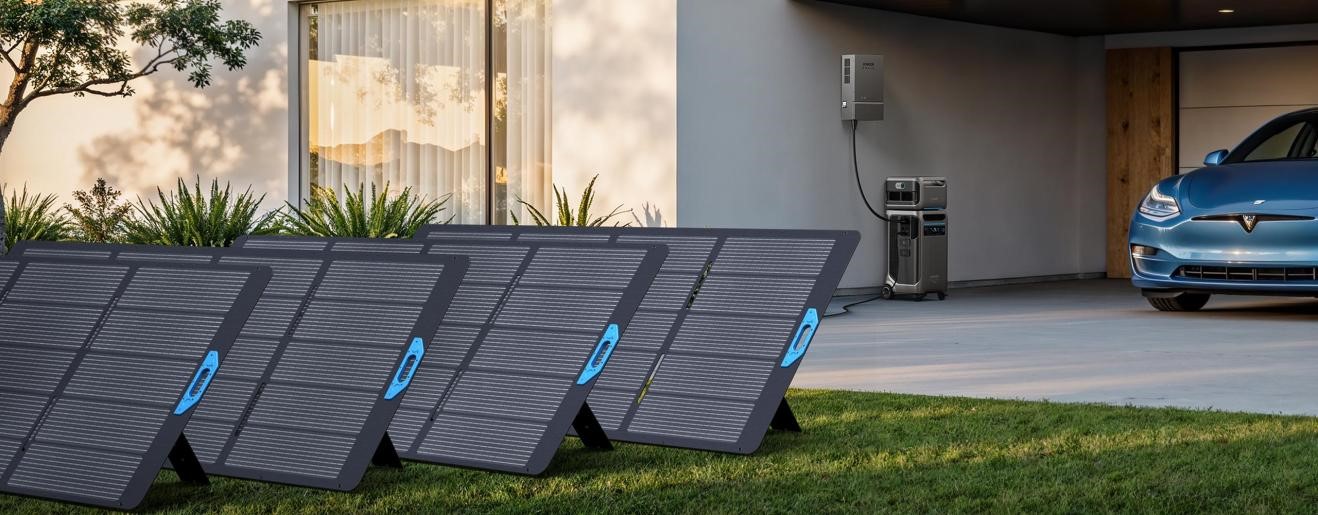
Cost, Warranty, and Long‑Term Value
Balancing an upfront investment with lasting benefits is key to purchasing a solar generator.
Upfront Cost vs Operational Value
While the upfront cost of some systems can be relatively high, it’s important to weigh this against long-term savings on electricity bills and the environmental benefits of a reduced carbon footprint. Comparing models by calculating the cost per watt-hour can help you better assess true value. Higher-efficiency models often come with a higher purchase price, but they typically deliver greater operational savings over their lifespan. Additionally, government tax incentives or local rebates for renewable energy purchases can significantly reduce overall expenses. Taking a long-term perspective ensures your investment supports both financial planning and sustainability goals.
Warranty, Support, and Brand Reliability
Solid warranties and strong customer support are key indicators of a dependable, high-quality product. In most cases, warranties ranging from two to five years are considered standard, but choosing products with longer coverage can offer added protection and long-term security. It’s also wise to review customer feedback and evaluate the brand’s track record, as companies with consistent positive reviews and responsive support teams tend to be more reliable. A comprehensive warranty ensures post-purchase issues are handled efficiently, providing extra value, confidence, and peace of mind for your investment.
Conclusion
When choosing a solar generator, thorough research and understanding are imperative. Prioritize models that align with your energy needs, key specifications, and budgetary constraints, while also considering the long-term benefits and brand reliability. This well-rounded approach ensures you find an energy solution that meets your requirements now and adapts to future demands. Equipped with these insights, you’re well-prepared to make an informed decision, secure in your investment in sustainable energy.