
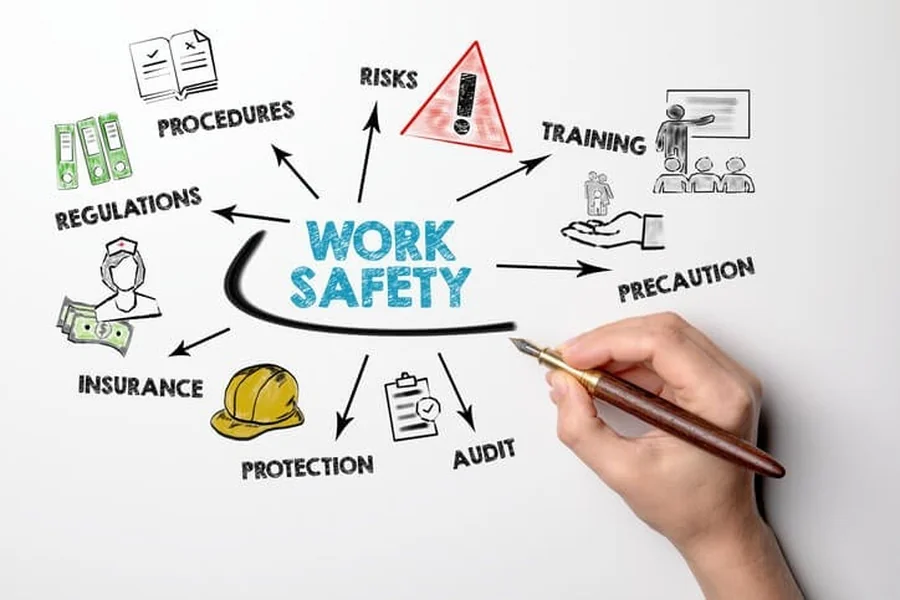
Keeping people safe on the job isn’t just about ticking off a checklist — it’s about building habits that make sense day after day. Whether you manage a bustling warehouse, a busy construction crew, or a small team of office staff, small missteps can become big headaches if ignored. Want to protect both your people and your bottom line? Let’s look at practical ways to keep things running smoothly.
Encourage Open Communication About Hazards
One of the biggest mistakes is assuming workers will speak up if they see something risky. Many stay silent because they don’t want to seem like they’re complaining or making trouble. That’s why it helps to make hazard reporting as easy and judgment-free as possible. Set up a simple way for anyone to flag concerns — whether that’s an anonymous form, a quick text line, or even a dedicated chat channel. Regular safety meetings also give everyone a chance to voice concerns without fear of backlash.
Keep Training Up to Date
New hires aren’t the only ones who need training refreshers. Safety guidelines change, equipment gets upgraded, and bad habits sneak in over time. Short, repeated sessions are more memorable than a one-and-done workshop. Hands-on demonstrations and drills make these refreshers stick, so employees aren’t just reading policies on a screen. Plus, involving supervisors in these trainings shows everyone that safety is a team priority, not just a box to tick.
Document Everything the Right Way
Paperwork may sound dull, but when incidents happen, clear documentation can save huge amounts of stress later on. Injuries, near misses, and even minor safety violations should be properly recorded. This isn’t just to meet legal requirements — it can also help you spot patterns before they turn into serious problems. That’s where working with specialists like those offering an audit for workers compensation claims can be useful, as they can help you check if your reporting process meets the latest rules and truly protects your team.
Promote Good Housekeeping Habits
A cluttered space can become a dangerous space in seconds. Tools left on the floor, extension cords running through walkways, or overflowing trash bins can all lead to slips and trips. Encourage your team to keep their workstations tidy throughout the day rather than saving it all for closing time. If there’s heavy equipment involved, make sure there’s a clear spot for storing it safely. A little housekeeping goes a long way in avoiding nasty surprises.
Stay on Top of Mental Health Support
Physical risks tend to grab the spotlight, but stress, burnout, and mental health struggles can quietly derail safety efforts. Someone who’s exhausted or anxious is more likely to make mistakes, forget safety steps, or even ignore clear rules. Give your team access to mental health resources, from counseling hotlines to stress-reduction workshops. Building an environment where it’s okay to ask for help can protect your workers just as much as protective gear does.
Why Ongoing Reviews Matter
Safety is never a one-time project. It’s an ongoing commitment to learning from mistakes, adapting to new challenges, and involving everyone in the process. Want to know what’s working and what’s not? You can review reports, inspect procedures, and keep an open mind about feedback. If you’re unsure where to start, check out resources on how to improve workplace safety culture, which can give you broader ideas for long-term improvement.
By creating a culture where people feel respected, heard, and supported, you’ll see fewer accidents, lower costs, and a stronger team spirit overall. Taking the time to build safety into your daily routine can make all the difference for the people who keep your business going.