
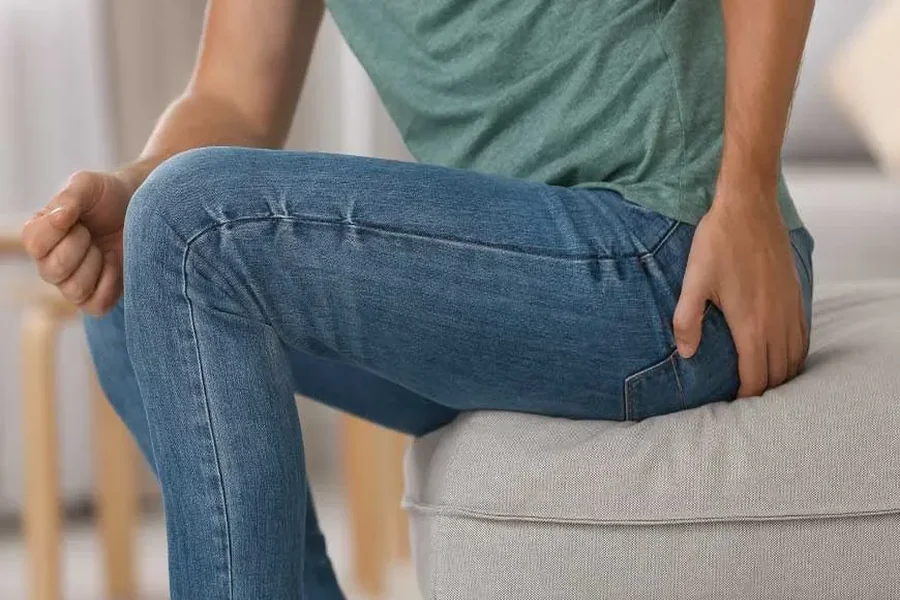
Understanding Anal Discomfort: A Silent Struggle
Pain in the anus is an issue that many people experience at some point in their lives, yet few feel comfortable discussing. Whether it’s a dull ache during the day or a sharp sting during bowel movements, discomfort in this sensitive area can significantly affect quality of life. While often dismissed as minor or temporary, persistent anal pain may indicate underlying conditions that require attention.
There are various causes behind this discomfort—ranging from poor hygiene and dietary habits to more serious concerns like hemorrhoids, anal fissures, or infections. One of the most common sources of pain is irritation from internal or external hemorrhoids. These swollen blood vessels can make even the simplest daily activities—sitting, walking, or using the restroom—a challenge.
For many, the emotional burden of discussing such symptoms delays action. Embarrassment leads to silence, and silence allows the condition to worsen. But it’s important to remember: anal health is just as essential as any other aspect of your well-being. Ignoring symptoms can escalate discomfort and even increase the risk of complications, such as bleeding, infections, or chronic inflammation.
Addressing pain in the anus starts with understanding what’s causing it. If the discomfort is accompanied by itching, burning, or visible swelling, hemorrhoids or fissures may be to blame. If there’s persistent bleeding, it’s important to consult a doctor to rule out more serious conditions. Either way, relief is possible with proper care, attention to hygiene, and the support of natural formulations designed to calm and restore.
One such solution is Fitolium—a natural supplement formulated specifically to support individuals struggling with hemorrhoid-related discomfort. Made with plant-based ingredients known for their soothing and anti-inflammatory properties, Fitolium helps reduce swelling, ease irritation, and promote comfort from within. By addressing both internal and external hemorrhoid symptoms, it offers a comprehensive approach to relief without synthetic additives or pharmaceuticals.
With regular use, many users of Fitolium report noticeable improvements in how they feel during daily routines. No more constant itching or painful restroom visits—just smoother days and a sense of relief that comes from taking control of your health.
In the following sections, we’ll explore the primary causes of anal pain in more detail, preventive strategies to reduce risk, and how Fitolium fits into a broader, natural approach to managing sensitive discomfort with dignity and care.
Common Causes of Anal Pain: Beyond the Obvious
Anal pain can stem from a variety of conditions—some minor and self-resolving, others that may require more focused attention. Understanding the root causes is crucial not only for effective treatment but also for long-term prevention. Below are some of the most frequent culprits behind this uncomfortable issue:
1. Hemorrhoids
Perhaps the most common cause, hemorrhoids are swollen veins in the rectal or anal region. Internal hemorrhoids often go unnoticed until they bleed, while external ones can be intensely painful, especially when irritated by wiping or sitting. Contributing factors include prolonged sitting, low-fiber diets, straining during bowel movements, and pregnancy.
2. Anal Fissures
Small tears in the lining of the anal canal, known as fissures, can result from passing hard or large stools. The pain is typically sharp and may be accompanied by slight bleeding. Fissures can become chronic if not properly treated, especially in people with recurring constipation or poor hydration habits.
3. Skin Irritation and Hygiene Issues
Surprisingly, over-washing or aggressive cleaning with soaps and wipes can strip the skin’s protective barrier, causing dryness, itching, and cracking. On the flip side, insufficient cleaning may lead to bacterial buildup and irritation. Maintaining gentle, balanced hygiene is key.
4. Infections
Fungal or bacterial infections, including sexually transmitted infections (STIs), can also cause localized discomfort. These may be accompanied by other symptoms such as discharge, fever, or swelling and require medical treatment.
5. Less Common but Serious Conditions
In rare cases, anal pain may signal conditions such as abscesses, fistulas, or even colorectal cancer. Persistent symptoms, especially when paired with unusual bleeding, should always prompt a professional medical consultation.
Fortunately, for the majority of people, the pain is manageable with the right approach. One practical step is the integration of supportive natural supplements like Fitolium. With its blend of probiotics and traditional herbal extracts, Fitolium helps balance digestion, reduce internal pressure, and calm inflammation around the rectal area. This multifaceted action supports recovery while helping prevent further irritation.
Fitolium doesn’t just target symptoms—it aims to improve overall bowel health and comfort. Especially for individuals prone to hemorrhoids, sensitive skin, or post-pregnancy complications, this supplement offers a gentle yet effective option for long-term relief. It’s a discreet, daily way to protect your wellness—without needing to rely on harsh medications.
Next, we’ll discuss proactive steps you can take to prevent anal discomfort in the first place—from dietary improvements to smarter bathroom habits—and how Fitolium fits into a sustainable care routine.
Prevention and Daily Care: Simple Steps for Long-Term Relief
While anal discomfort can be distressing, it’s often preventable through small yet consistent lifestyle adjustments. Many of the underlying causes of pain—like hemorrhoids, fissures, or irritation—can be minimized or avoided entirely with a few proactive habits. Here’s what you can do daily to protect your health and avoid future discomfort:
1. Prioritize a High-Fiber Diet
One of the easiest and most effective ways to prevent straining and hard stools is by increasing your intake of fiber. Foods like oats, legumes, vegetables, fruits (especially with skins), and whole grains help keep stools soft and regular. A fiber-rich diet reduces pressure during bowel movements, which is key for preventing hemorrhoids and fissures.
2. Hydrate Consistently
Water plays a critical role in digestive health. Dehydration can lead to constipation, which increases the risk of tearing or swelling around the anus. Aim for at least 6–8 glasses of water per day, adjusting for activity level and climate. Consistent hydration ensures smooth bowel function and promotes healing of sensitive tissues.
3. Improve Bathroom Habits
Don’t delay the urge to go. Waiting can lead to harder stools, which increase the risk of injury. Also, avoid prolonged sitting on the toilet, which puts excess pressure on the rectal veins. Instead, use a footstool to elevate your feet slightly—this mimics a natural squat position and reduces straining.
4. Choose Gentle Hygiene Practices
After bowel movements, use unscented, alcohol-free wipes or simply rinse with warm water. Aggressive wiping or chemical-laden soaps can strip protective skin layers and provoke irritation. Pat the area dry gently—never rub. Maintaining a clean, dry environment helps reduce bacterial growth and keeps the skin intact.
5. Consider Daily Supplementation with Fitolium
Adding a natural supplement like Fitolium to your wellness routine can offer additional support. Fitolium’s unique blend includes probiotics like Lactobacillus acidophilus and Bifidobacterium bifidum to encourage healthy digestion and reduce internal pressure that contributes to hemorrhoid formation. It also contains soothing plant-based compounds like Terminalia chebula and Embellica officinale, known for their anti-inflammatory and tissue-repair properties.
By supporting gut health and calming inflammation from within, Fitolium helps protect the delicate anal area from recurring discomfort. It’s an easy-to-integrate, non-invasive way to promote comfort and healing—especially important for those prone to irritation or recovering from postpartum hemorrhoids.
With just a few conscious adjustments and the help of Fitolium, you can build a sustainable, comfortable routine that prevents flare-ups and promotes lasting wellness. In the final section, we’ll summarize the key takeaways and offer actionable next steps for regaining comfort and confidence.
Final Thoughts: From Discomfort to Empowerment
Anal pain is not something anyone wants to talk about—but it’s a reality for millions of people. Whether caused by hemorrhoids, irritation, or minor fissures, this type of discomfort can significantly affect daily life, emotional well-being, and even confidence in social interactions. The good news? Most cases can be managed or prevented with the right information and support.
Taking control starts with acknowledging the issue. Ignoring persistent symptoms or hoping they’ll go away on their own often leads to unnecessary suffering. Instead, understanding the common causes and implementing simple habits—like eating more fiber, staying hydrated, and maintaining gentle hygiene—can lead to meaningful improvement.
Beyond lifestyle, nutritional support plays an increasingly important role in today’s wellness approach. A supplement like Fitolium offers a holistic way to support digestive health and soothe sensitive tissues. With its combination of probiotics, anti-inflammatory botanicals, and digestion-balancing compounds, Fitolium works from the inside out to relieve irritation, ease inflammation, and help the body heal naturally.
It’s not a cure or a replacement for medical treatment—but it’s a safe, supportive addition to your routine that may help reduce flare-ups, support tissue repair, and provide long-term comfort. Many people find that with consistent use, they regain not just physical relief, but also a renewed sense of control over their health and confidence in their daily routines.
So if you’ve been silently dealing with discomfort, now is the time to act. Start with small steps: improve your diet, drink more water, be mindful in the bathroom—and consider adding Fitolium to your daily wellness plan.
Click here to try Fitolium and take a natural step toward comfort, confidence, and relief you can feel.
Disclaimer
This article is for informational purposes only and is not intended to diagnose, treat, or replace professional medical advice. Always consult your doctor if you have persistent symptoms, blood in your stool, or any medical concerns.
Fitolium is a dietary supplement and not a medication. It is not intended to cure or permanently eliminate any condition. Results may vary. Do not exceed the recommended daily dosage. Not suitable for pregnant women, children, or individuals with allergies to the product’s ingredients. Store in a cool, dry place out of reach of children. Use only as directed.