
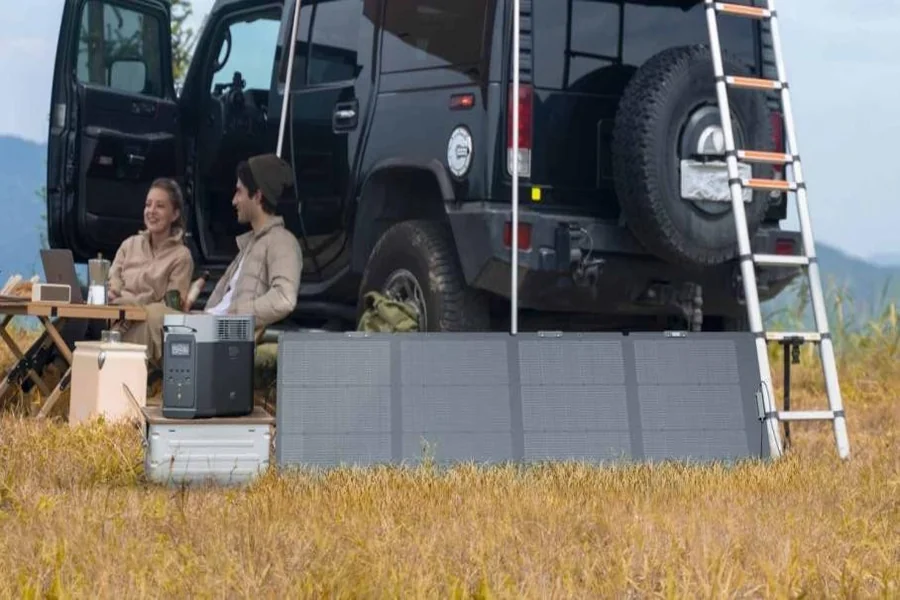
Solar panel efficiency determines how much sunlight your system can convert into electricity. Higher efficiency creates more power, which saves you money over time. Understanding efficiency considerations before purchasing is critical as renewable energy interest rises. Understanding how solar panels work helps homes, businesses, and energy-conscious individuals. Efficiency boosts profitability, whether you invest in a new system or optimize an existing one. This essay outlines the critical criteria and actionable solutions for maximizing your solar investment.
What Affects Solar Panel Efficiency the Most?
Panel Material and Technology Types
Different solar panel materials deliver different efficiency rates. Monocrystalline panels often perform better and have greater efficiency due to their pure silicon composition. Polycrystalline panels are less expensive yet marginally inefficient. Thin-film panels, while flexible and lightweight, have lower efficiencies and shorter lifespans. Advancements such as PERC (Passivated Emitter Rear Cell) and bifacial technology enhance energy conversion. Understanding which kind is best suited to your area and energy requirements is critical. Choosing the proper material upfront can have a big impact on long-term performance. Compare manufacturer characteristics before determining which solar panels are best for your home and budget.
Climate, Angle, and Sunlight Exposure
Efficiency varies depending on the surroundings. Cooler climes might occasionally improve panel performance since high temperatures reduce voltage output. The angle at which solar panels face the sun is also important—panels slanted to match your location’s latitude often perform best. Southern-facing panels in the Northern Hemisphere receive steadier sunshine throughout the day. Trees and buildings provide a significant amount of shade, reducing efficiency dramatically. Maximizing daily sunshine exposure necessitates meticulous planning during installation. Seasonal variations in the sun’s position can also have an impact on performance. Maintaining a good view of the sun, particularly during peak daylight hours, allows your panels to continuously produce more power.
Installation Quality and Maintenance
Even the most modern solar panels will operate poorly if they are not properly mounted. Proper wiring, secure installation, and proper tilt all affect how much sunshine is turned into power. Loose connections or misaligned panels lower the total system output. Regular inspections verify that everything is in place and operates as planned. Maintenance also plays an important role. Dust, bird droppings, and debris may obstruct sunlight, so keeping panels clean is essential. Technicians should inspect for wear and tear, particularly following storms. A high-quality installation by experienced personnel establishes the groundwork for long-term efficiency while lowering the likelihood of costly repairs.

How Can You Maximize Your Solar Panel Efficiency?
Optimal Panel Positioning Tips
Panel location may make or break your system’s performance. If you live in the Northern Hemisphere, face your solar panels straight south, and if you live in the Southern Hemisphere, face them north. This orientation gets the greatest sunshine all year. The optimal tilt angle corresponds to your geographic latitude; however, changes may be required depending on seasonal sunshine or roof pitch. Avoid putting panels in dark locations or near structures like chimneys. If possible, employ tracking technologies that follow the sun’s course to increase daily exposure. Strategic positioning during installation guarantees that your panels generate optimum power from the start.
Keeping Panels Clean and Maintained
Leaves, dirt, and dust can stop the sun from reaching your solar panels, which lowers the amount of energy they produce. Cleaning it regularly can boost performance by as much as 20%, especially when it’s dusty or pollen-filled outside. Avoid using rough tools or strong chemicals to remove dirt. Instead, use soft brushes or water from a hose. Schedule cleanings at least twice a year and more often if you live in an area with a lot of trees or pollution. Look for bird nests or damage from the storm. Cleaning things often and visually inspecting them helps find problems early. When you have clean panels, you have efficient panels that save you energy all year long.
Monitoring System Performance Regularly
Monitoring allows you to track how well your solar panels perform over time. Most systems offer applications or dashboards that display daily, monthly, and annual results. Keep an eye out for unexpected decreases in performance, which might indicate dirt accumulation, failing inverters, or shading issues. Compare the present output to the predicted performance for the weather and season. Set up notifications for abnormalities so you can respond fast. Regular monitoring keeps your system running efficiently and allows you to discover problems before they affect your power cost. Staying proactive with performance inspections ensures that your solar investment operates at top efficiency for years to come.
Conclusion
Getting the most out of your solar panels requires understanding and increasing efficiency. Every aspect is important, from selecting the appropriate panel type to ensuring clean, well-positioned installations. External variables such as temperature and shadow influence output, but judicious positioning, maintenance, and monitoring may mitigate many problems. The more care you put into your solar system, the higher the return on investment. Whether you’re a household or a company owner, prioritizing efficiency increases savings and sustainability. Solar power is a long-term commitment, but the benefits are worth it when your system, supported by sizeframe, produces clean, steady, and cost-effective energy every day.