
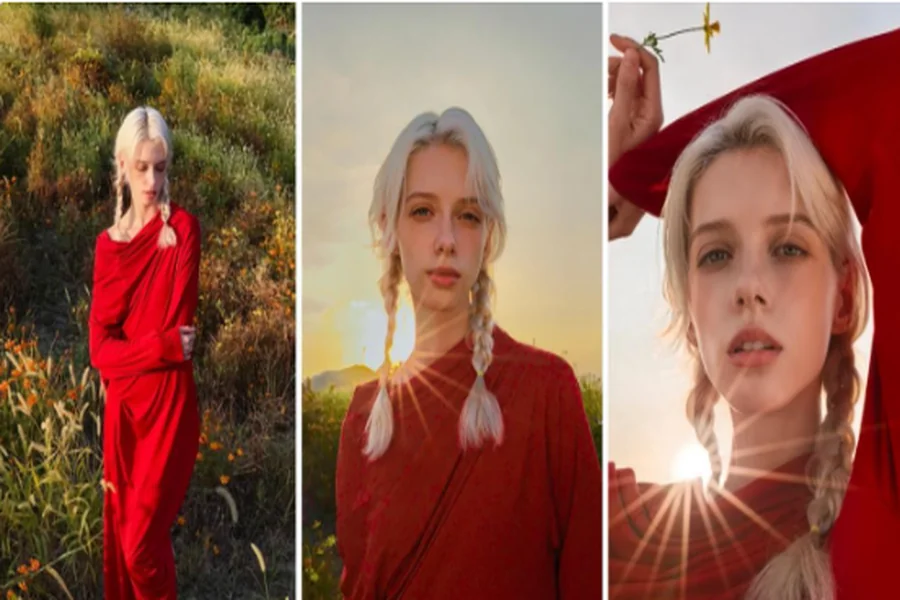
Mobile phones have evolved into formidable instruments for taking breathtaking photos. With advances in camera technology, it is now feasible to take professional-looking photos right from your pocket. Whether you’re photographing city streets, food spreads, or gorgeous vistas, mastering smartphone photography allows you to share memories elegantly. This guide will teach you the fundamentals of photography, including camera settings, lighting, composition, and social media optimization. It also provides suggestions for developing a consistent visual design that distinguishes your profile. This guide is ideal for influencers, amateurs, and company owners looking to make their images stand out.
How Can You Take Professional Photos With a Mobile Phone?
Choose the Right Camera Settings
Begin by turning off auto mode and then investigating manual or pro settings, if your phone enables them. Adjust the ISO for light sensitivity, using a lower ISO in bright light and a higher ISO in low light. Adjust the white balance to suit your surroundings—cooler for indoor lighting, warmer for sunsets. Use grid lines to properly position your photographs. Enable HDR to achieve balanced exposure in high-contrast situations. Move closer rather than using digital zoom. Always tap to stay focused on the issue. These simple settings adjustments may dramatically increase image clarity, sharpness, and color balance, making your mobile photographs appear like they were taken with a DSLR.
Use Natural Light to Your Advantage
Natural light often produces the most flattering and vibrant results. Shoot during golden hour—just after sunrise or before sunset—for soft, warm tones. Avoid harsh midday sunlight unless you’re going for dramatic shadows. Position your subject facing the light to avoid unflattering shadows. For portraits, use window light indoors for an even glow. Reflect light using white walls or simple reflectors like paper to fill in shadows. Don’t use the built-in flash unless necessary—it often creates harsh, unappealing results. Let natural light shape your image, giving it depth and authenticity that artificial light sources usually fail to provide.
Master Framing and Composition Basics
Strong composition may transform an average photo into a memorable one. Use the rule of thirds to position your topic along the intersecting lines of a grid. Keep the horizon level and avoid centering unless it adds drama. Leading lines, such as highways or fences, direct viewers through the photograph. Frame your topic with natural features such as archways or branches to create depth. Allow for breathing room—avoid tight, crammed crops. Experiment with angles by shooting from above, below, or through things. Minimalism is frequently the best approach—remove distractions. Composition makes your image visually appealing, and it is a talent that anybody can learn with effort and attention.
How to Optimize Your Photos for Social Media Sharing?
Crop and Resize for Each Platform
Every social platform favors specific aspect ratios and resolutions. For Instagram, use 1:1 or 4:5 portrait for feed posts, and 9:16 for Stories and Reels. Facebook prefers 1200×630 pixels for links and 1080×1080 for posts. Twitter performs well with horizontal images—around 1200×675 pixels. Pinterest favors vertical shots. Resize using apps like Snapseed or Lightroom Mobile to avoid pixelation. Cropping matters too—focus on what matters and remove empty space. Upload high-resolution files to maintain sharpness. Tailoring your image size ensures your photos display crisply, don’t get cut off, and are visually optimized to stop the scroll and boost engagement.
Use Captions and Hashtags Strategically
Captions offer context, spark conversations, and drive engagement. Keep them short, authentic, and end with a question or call to action. Emojis can add personality, but avoid overuse. Hashtags help discoverability—mix popular, niche, and branded ones. Instagram allows up to 30 hashtags; using 5–10 focused tags often works best. Place them in the caption or first comment for a cleaner look. Research trending hashtags in your niche. On platforms like TikTok or Threads, hashtags increase reach and link you to trends. Avoid banned or overly generic tags. The right combination of caption and hashtags boosts your visibility significantly.

Pro Tips to Build a Mobile Photography Style People Recognize
Stay Consistent With Filters and Tones
Visual consistency helps create a recognizable brand. Pick a signature filter or tone and apply it to all your photos. Use editing apps like VSCO to create presets. Stick with similar contrast, saturation, and warmth levels. Avoid over-editing—let the content shine through. Think about mood: cool tones suggest calm, warm tones feel cozy. Keeping a consistent color palette makes your feed look cohesive and intentional. If your style changes over time, shift gradually to maintain aesthetic continuity. A consistent edit style not only builds visual identity but also signals professionalism and artistic direction.
Develop a Thematic Photo Grid
Your profile grid acts as a visual portfolio, so planning it with a theme enhances first impressions. Choose a theme like street life, food, minimalist objects, or bold colors. Arrange your posts to balance visual weight—alternate close-ups with wide shots. Use a content planner app to preview how new posts will look together. Include recurring elements or props to tie photos together. Think of the grid as a magazine layout—each photo should complement the next. A cohesive grid invites viewers to scroll, follow, and engage. A thoughtful layout reflects your creativity and helps build a recognizable mobile brand.
Follow and Learn From Mobile Photo Influencers
Studying successful mobile photographers accelerates your learning curve. Follow influencers on platforms like Instagram, Pinterest, and TikTok. Analyze what makes their shots compelling—their use of light, colors, themes, and angles. Take note of how they edit, caption, and interact with followers. Participate in photo challenges they host to grow your skills and visibility. Join communities or forums to exchange feedback. You don’t need to copy—let their work inspire your unique voice. Many share tutorials and editing walkthroughs that can teach you practical techniques. Surrounding yourself with creative peers fosters growth and keeps you inspired to improve and innovate.
Conclusion
Great mobile photography isn’t about the gear—it’s about vision, technique, and consistency. By understanding camera settings, using natural light, and mastering composition, your photos can rival those from professional setups. Optimizing images for each platform, paired with smart captions and posting strategies, ensures your content performs. Whether you’re curating a travel diary or sharing tips like how to download whatsapp on huawei without play store, developing a unique style and engaging grid helps you stand out in a crowded space. With practice, patience, and a creative eye, anyone can transform everyday shots into scroll-stopping visuals worth sharing and celebrating.